


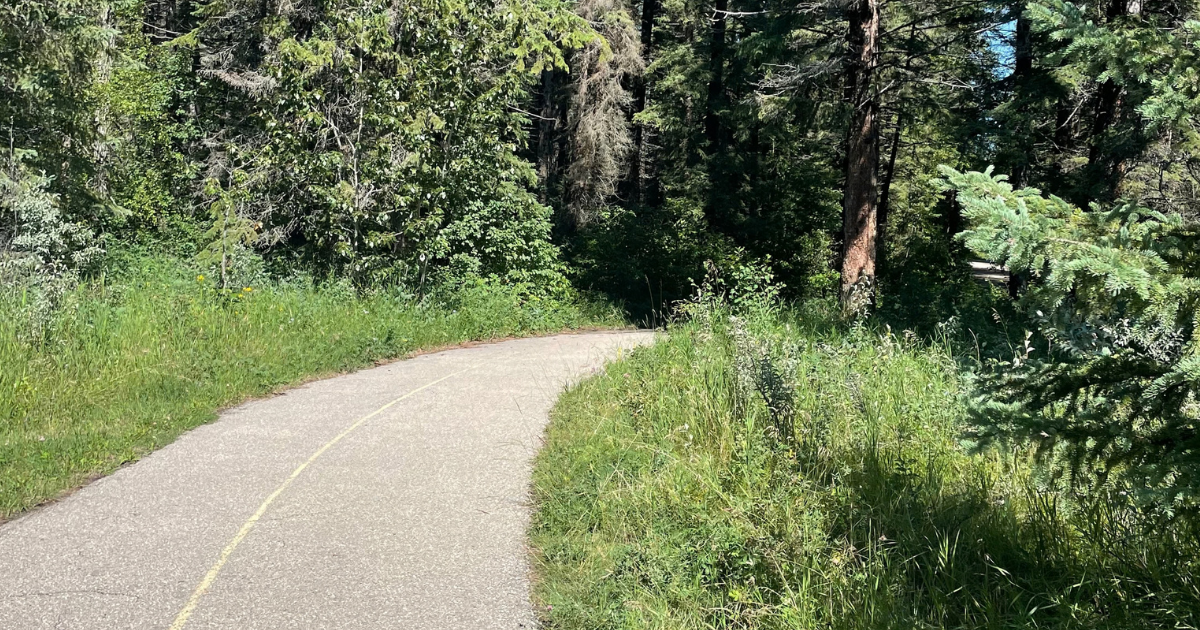
A park seems like a peaceful place to set a mystery. People go there to walk the dog, watch their kids play, meet friends, or get away from the noise of the city for an hour.
That is exactly why parks are so useful in a police procedural. A park is public, but it is never simple. People pass through. Some know the place well. Some are only there once. A crowded field can give a detective plenty of witnesses, but not necessarily reliable ones. A quiet trail can leave behind very little except a question: who was there, and why?
In the Parks Pat Mysteries, Calgary’s green spaces are part of the case. Detective Margie Patenaude has to read the people in a place as carefully as she reads the evidence.
A city park has its own rhythm
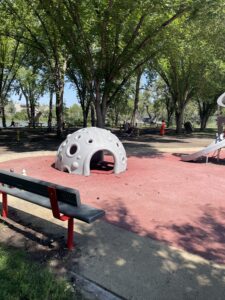
A good police procedural setting needs more than a pretty view. It needs depth. Who uses the place? When is it busy? Where do people park? Which paths connect to the road, the river, or the next neighbourhood? What happens when the weather turns and everyone goes home at once?
Calgary has established parks and green spaces in all kinds of terrain and all sorts of neighbourhoods—parks beside rivers, parks full of teams and families, parks that still feel close to the foothills, and parks with long histories. There are hills, pathways, parking lots, dog walkers, joggers, strollers, picnics, conservation officers, and volunteers.
That gives a mystery writer a lot to work with. It gives a detective even more.
Shouldice Park: busy, public, and full of witnesses
In Silence on the Turf, Margie is at Shouldice Park when a youth-sports evening turns into a homicide investigation.
Shouldice is the kind of place where something can happen in plain sight and still be hard to piece together. There are games, people arriving late, people leaving early, parents watching from the sidelines, and a lot of movement. Everyone may have seen one small part of the evening. The hard part is learning which parts belong together.
That is a great fit for a police procedural mystery. Margie cannot solve the case by guessing which person looks most suspicious. She has to compare accounts, test the timeline, and work out what people actually noticed. The setting raises the pressure because the people closest to the case are already part of a tight community.
You can visit the real setting in this guide to Shouldice Park.
Beaver Dam Flats: the land remembers
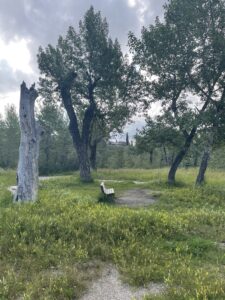
Ghosts in the Ground takes Margie to Beaver Dam Flats and nearby Refinery Park. Here, the feeling is different. The river is close. The landscape carries both natural beauty and signs of what came before. A case in a place like this has room for memory, history, and people who do not agree about what should be forgotten.
In a police procedural, a setting can create questions before any witnesses speak up. What used to be here? Who still comes here? Which old facts are still useful, and which have become stories people tell because they want them to be true?
Margie has to keep the investigation grounded. The past matters, but it does not solve a present-day murder by itself. She needs records, interviews, physical evidence, and a clear sense of what the land can and cannot tell her.
Read more about the setting in Beaver Dam Flats and Refinery Park.
Griffith Woods: quiet is not the same as empty
In Bones of the Elbow, human remains are found in Griffith Woods. The woods and nearby Elbow River create another kind of investigation. A quiet place can feel private, but trails bring people through. The land itself needs care. The ecosystem is fragile, and public interest can make a difficult scene even harder to manage.
This is where a police procedural can slow down in the right way. Margie and her team have to protect the scene, learn what belongs there and what does not, and handle competing views with care. The mystery comes from patient, methodical work, not a wild leap.
Griffith Woods gives the case texture: trees, paths, equestrian trails, and protected areas. You can explore the park through the Griffith Woods Park guide.
Parks make the city feel personal
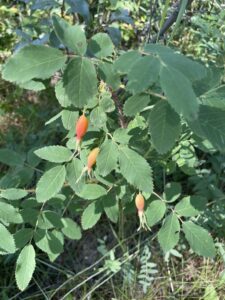
Calgary is a big city, but its parks make it feel intimate. The people who use a place regularly know its shortcuts, its routines, and the faces that belong there. They also know when something feels off.
That makes a park mystery personal. A homicide does not happen in an abstract location. It happens somewhere people run, play, work, and gather. The shock ripples outward.
This is part of what gives the Parks Pat Mysteries Canadian police procedurals a strong sense of place. Margie is a homicide detective, a mother, and a Métis woman working in Calgary. Her cases are about evidence, but they are also about people trying to hold onto the places that matter to them.
You can start with Out with the Sunset to meet Margie at the beginning of the series, or choose the case that calls to you. Each is a stand alone mystery. You can also find more reading paths in the Police Procedural Mysteries hub.
Frequently asked questions
Which Calgary parks appear in the newest Parks Pat Mysteries?
Silence on the Turf is set at Shouldice Park, Ghosts in the Ground draws on Beaver Dam Flats and Refinery Park, and Bones of the Elbow takes readers to Griffith Woods near the Elbow River.
Can I read the Calgary park mysteries as standalones?
Yes. Each Parks Pat book has a complete police procedural case. Readers who want to start at the beginning can begin with Out with the Sunset.