


Art Theft Mysteries and Heist Fiction: A Reading List
Stolen paintings, forgery, hidden provenance, and dangerous secrets.
Art theft mysteries offer two puzzles at once. Who took the object—and what, exactly, did they take?
A painting may be priceless, forged, misidentified, or valuable for reasons that have little to do with beauty. Its ownership can reach back through generations, wars, estates, and private deals. Add collectors, restorers, museums, thieves, and investigators, and a single missing work can expose an entire network of secrets.
If you enjoy mysteries about stolen art, forgery, hidden provenance, and the people willing to risk everything for a coveted object, these books offer several good places to start.
Strike Bag by P.D. Workman
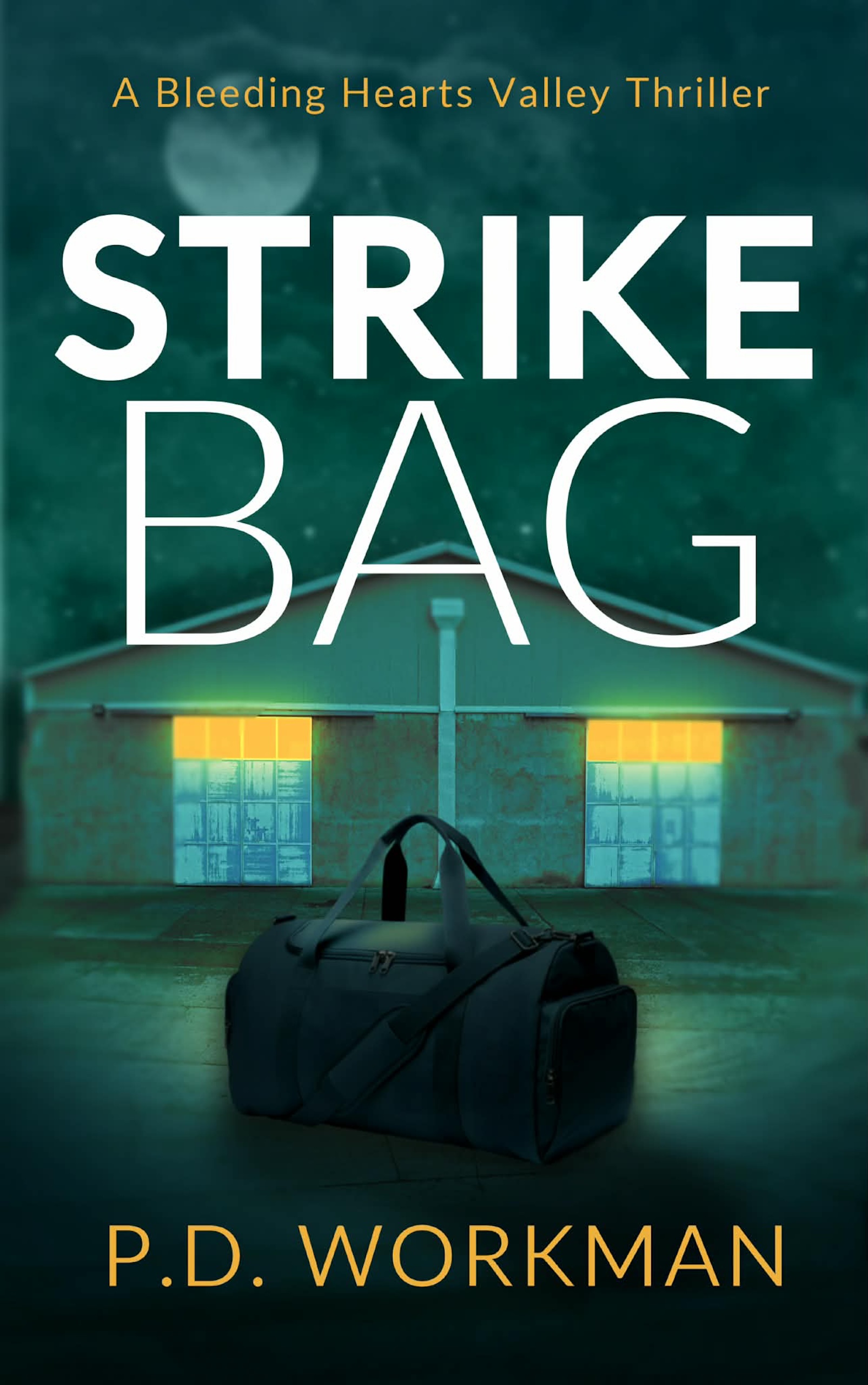
Graham Hall makes his living removing the things other people no longer want. That makes him unusually alert to objects that have been overlooked—or deliberately discarded.
In Strike Bag, an ordinary-looking job pulls Graham into art-heist intrigue and another dangerous investigation in Bleeding Hearts Valley. Graham is not a police officer or a polished investigator. He has a troubled past, questionable morals, and a willingness to pressure people he believes deserve it.
Read this if you like morally complicated amateur sleuths, psychological suspense, and mysteries in which the value of an object is not immediately apparent.
Michelangelo’s Ghost by Gigi Pandian
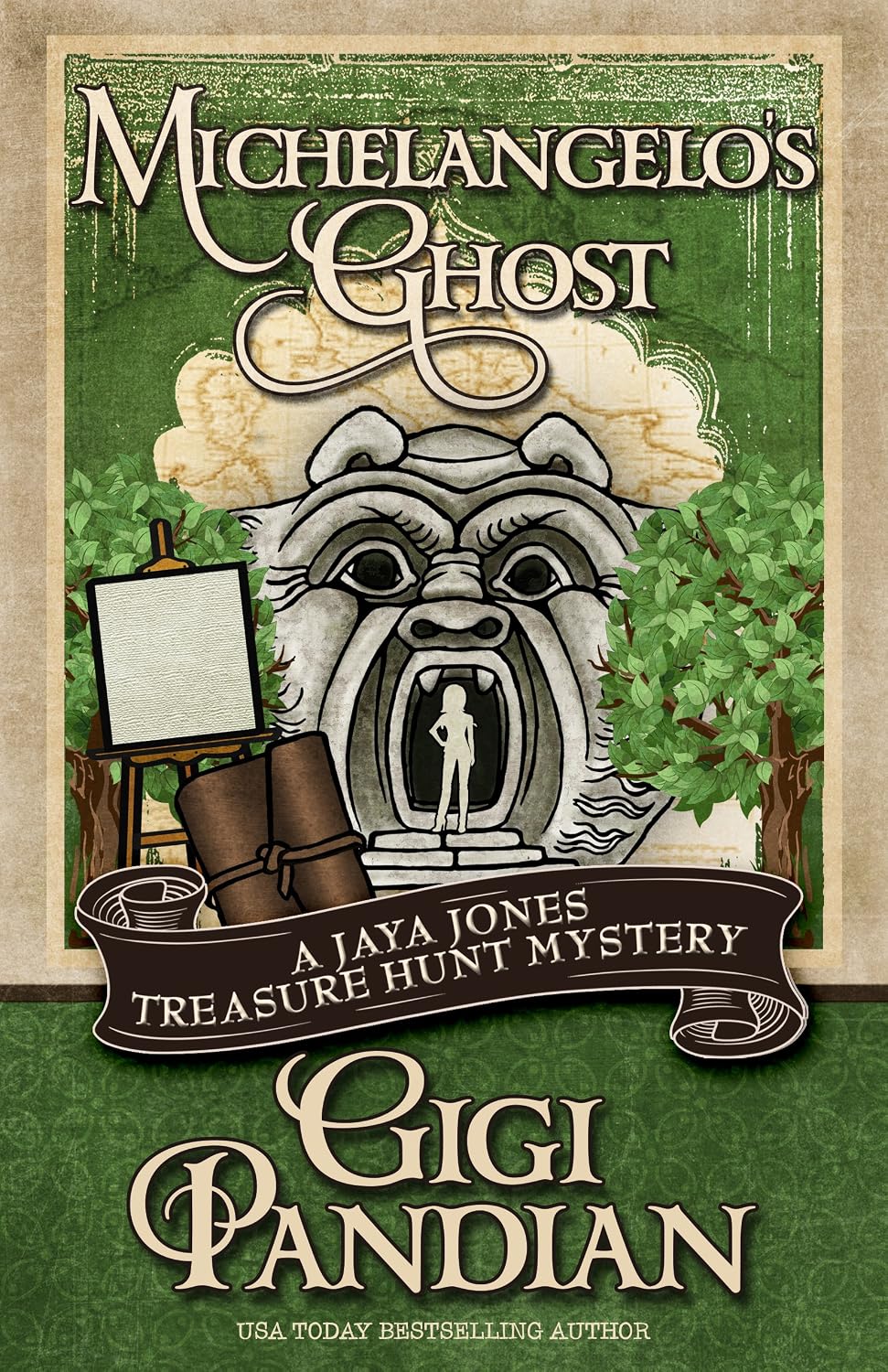
Historian Jaya Jones follows a mystery involving lost art, Italy, and the long shadow cast by Michelangelo.
Michelangelo’s Ghost combines art history with treasure-hunt energy and an international puzzle. It is a strong choice for readers who enjoy following clues through the past as well as the present.
Read this if you like historical riddles, adventurous sleuths, and mysteries built around the story behind a work of art.
The Genevieve Lenard series by Estelle Ryan
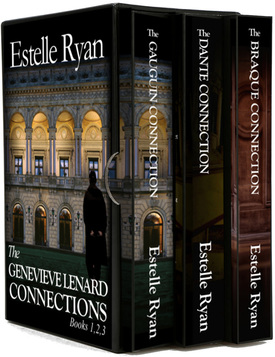
Doctor Genevieve Lenard is an insurance investigator, an expert in nonverbal communication, and an autistic woman whose analytical abilities are put to work on international art crimes.
The series begins with The Gauguin Connection, where the investigation of a young artist’s murder expands into forged art, corruption, and a much larger criminal network. Later books continue to combine stolen artwork, forgery, coded messages, and high-stakes crime with Genevieve’s growing relationships with an unconventional investigative team.
Read this series if you like art-crime investigations, neurodivergent protagonists, team dynamics, and mysteries that connect careful behavioural observation with international conspiracies.
Their Walls Were Empty by P.D. Workman
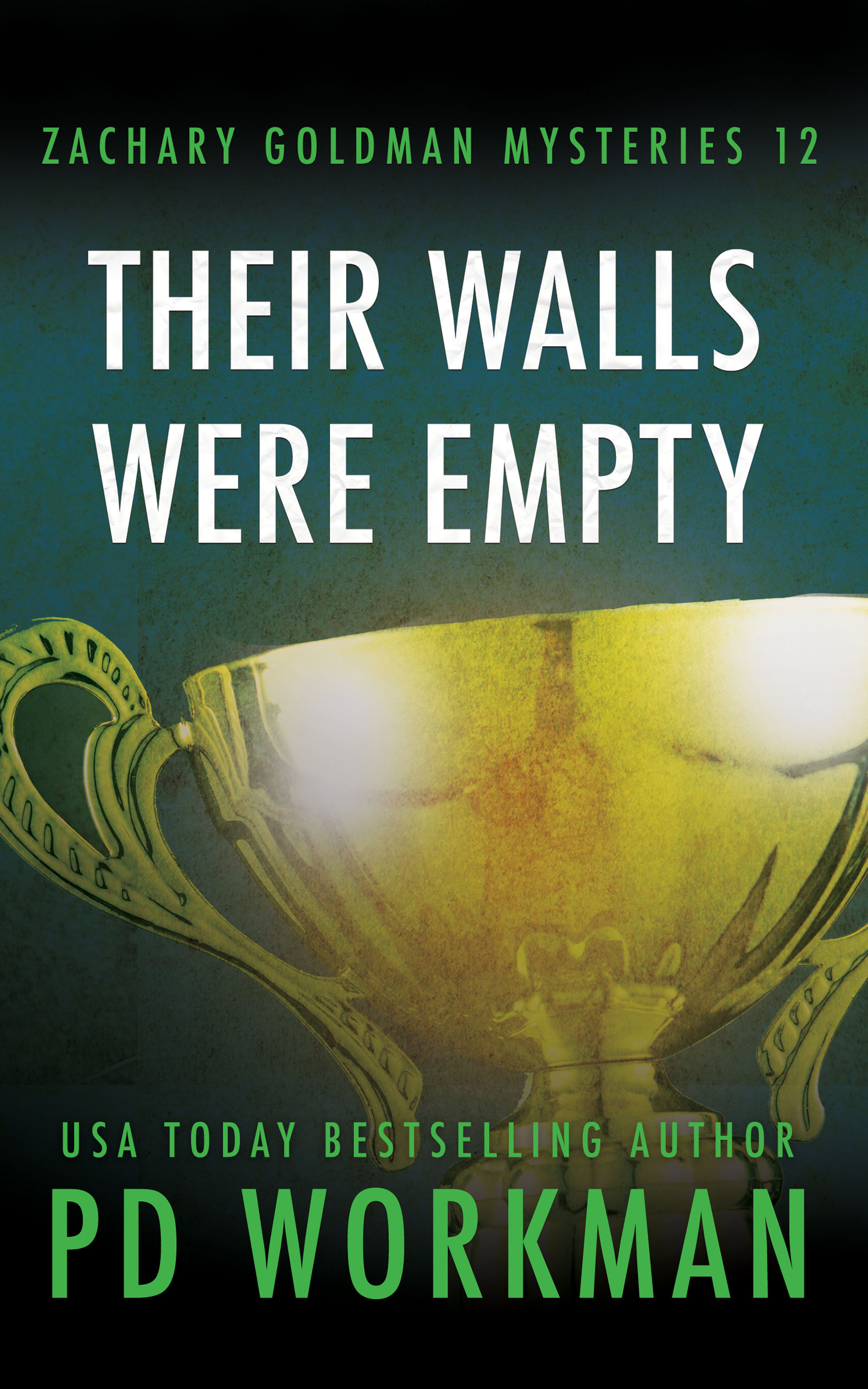
Not every collectible heist centres on a painting. Rare sports memorabilia can inspire the same mix of obsession, deception, and competing claims of ownership.
In Their Walls Were Empty, private investigator Zachary Goldman is drawn into a case involving valuable memorabilia and a mystery within a mystery.
Read this if you enjoy private investigators, stolen collections, and crimes driven by the value people attach to rare objects.
The Art Forger by B.A. Shapiro
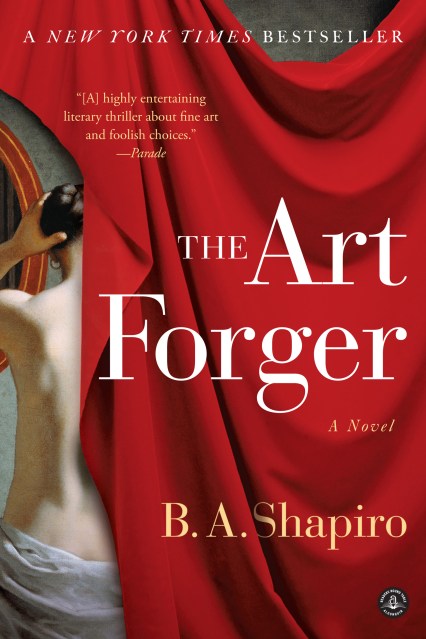
A struggling artist is offered a dangerous opportunity connected to a painting stolen from Boston’s Isabella Stewart Gardner Museum. What begins as a forgery problem becomes a deeper question about authenticity, ambition, and the history concealed beneath a canvas.
The real Gardner Museum theft gives the novel an irresistible foundation, but the story’s strongest tension comes from the characters’ shifting relationships with truth and artistic legitimacy.
Read this if you like forgery plots, morally compromised protagonists, and mysteries inspired by an unsolved real-world art crime.
The Last Painting of Sara de Vos by Dominic Smith
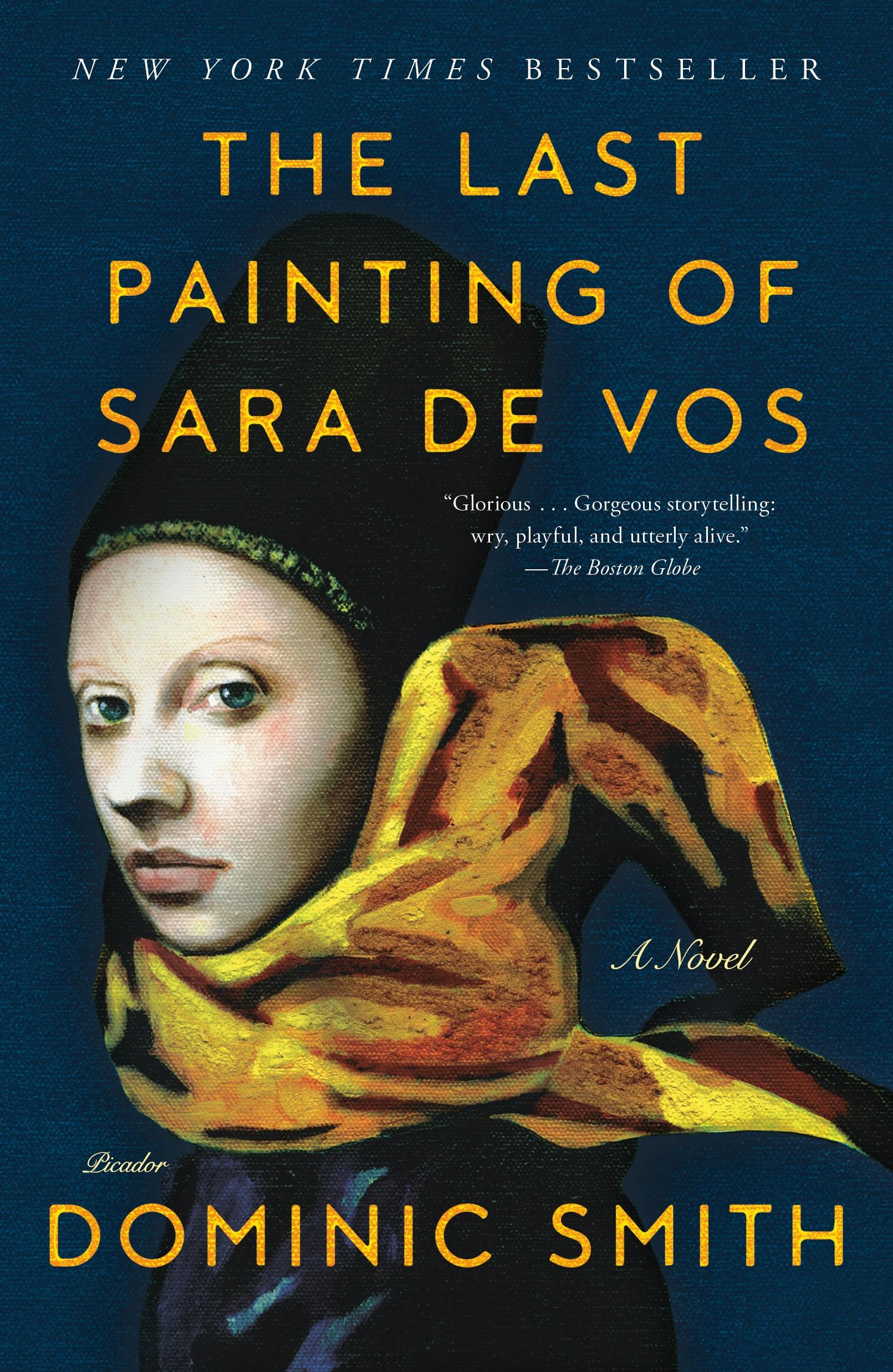
A rare seventeenth-century Dutch painting connects an artist, a collector, and an art historian across centuries.
The novel moves between timelines as the painting is created, copied, and studied. Its mystery is inseparable from questions of authorship, reputation, and who has been permitted to enter the historical record.
Read this if you prefer literary historical fiction with forgery, art scholarship, and a mystery that unfolds gradually across time.
The Heist by Daniel Silva
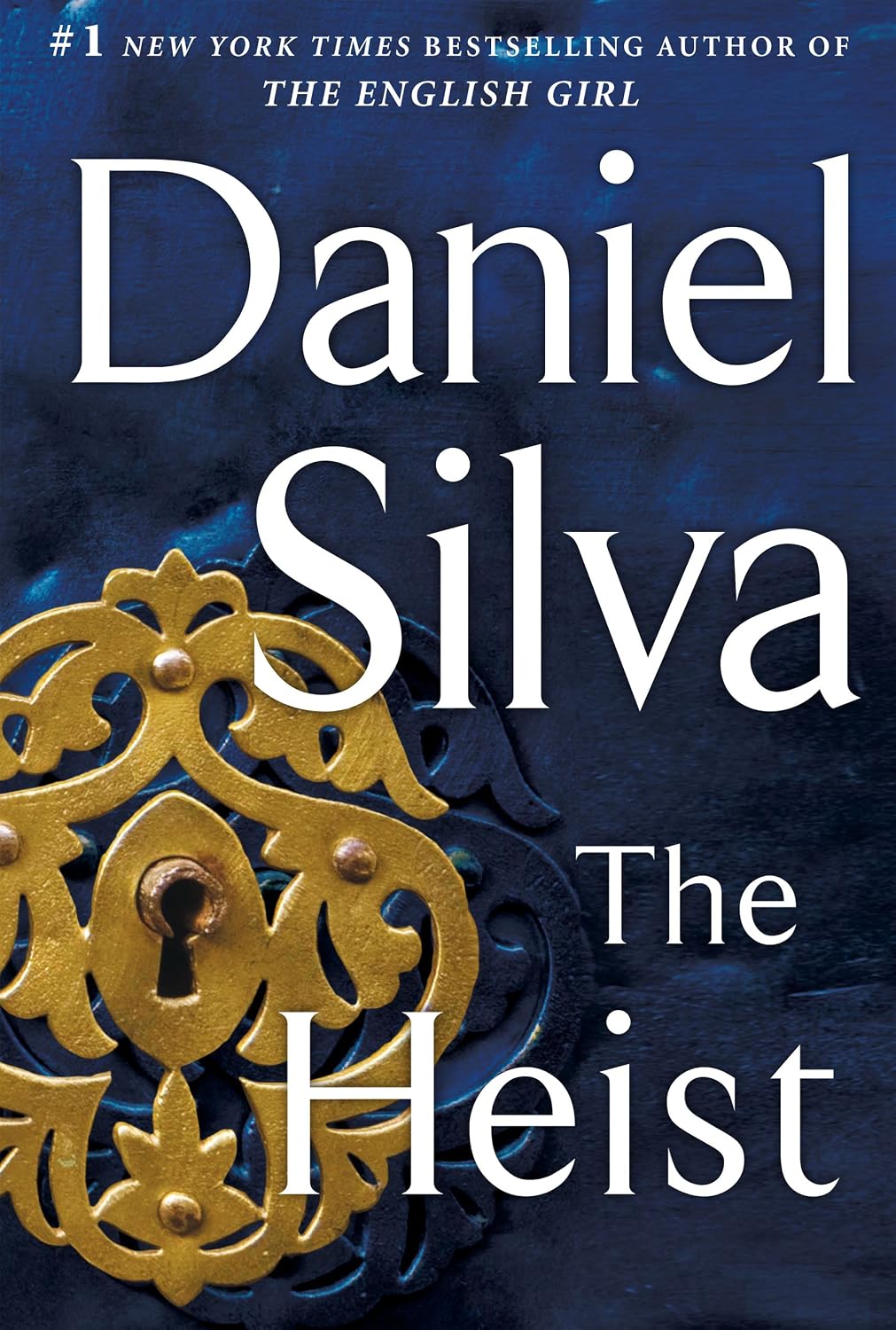
Gabriel Allon is both an art restorer and an intelligence operative, a combination that places him naturally at the intersection of masterpieces, international crime, and political danger.
In The Heist, the search for a stolen Caravaggio expands into a much larger operation. The pace and scale are different from a small-town amateur-sleuth mystery, but the central attraction remains the same: a missing artwork whose trail leads into dangerous territory.
Read this if you like international thrillers, espionage, and high-stakes investigations involving major works of art.
Choose by the kind of mystery you want
For a darker small-town thriller with an unconventional amateur sleuth, try Strike Bag.
For a historical treasure hunt, choose Michelangelo’s Ghost.
For a long-running series built around international art crime and an autistic investigator, begin the Genevieve Lenard series with The Gauguin Connection.
For a collectible heist and a private investigator, read Their Walls Were Empty.
For forgery and a real unsolved theft, pick up The Art Forger.
For a literary mystery spanning centuries, try The Last Painting of Sara de Vos.
For art crime on an international espionage scale, choose The Heist.
Why art theft makes such a good mystery
An artwork has more than a price. It has a creator, an owner, a documented—or undocumented—history, and a meaning that changes depending on who is looking at it.
That gives an art theft story many possible motives. A thief may want money, prestige, leverage, revenge, or possession of something believed to belong elsewhere. A forgery can expose the experts who authenticated it. A stolen object can reveal an older theft that respectable institutions would rather forget.
And sometimes the most important question is not who stole the art, but why someone needed everyone to believe it was genuine.
Frequently asked questions
What is an art theft mystery?
An art theft mystery centres on a stolen, missing, forged, or disputed work of art. The investigation may involve provenance, authentication, museums, collectors, or the criminal market.
Are art heist books always thrillers?
No. They range from cozy and traditional mysteries to literary historical fiction, caper novels, and international espionage thrillers.
Where should I start if I prefer amateur sleuths?
Try Strike Bag for a psychological thriller led by a junk removal worker, Michelangelo’s Ghost for an art-history mystery with treasure-hunt elements, or The Gauguin Connection to begin the Genevieve Lenard art-crime series.