


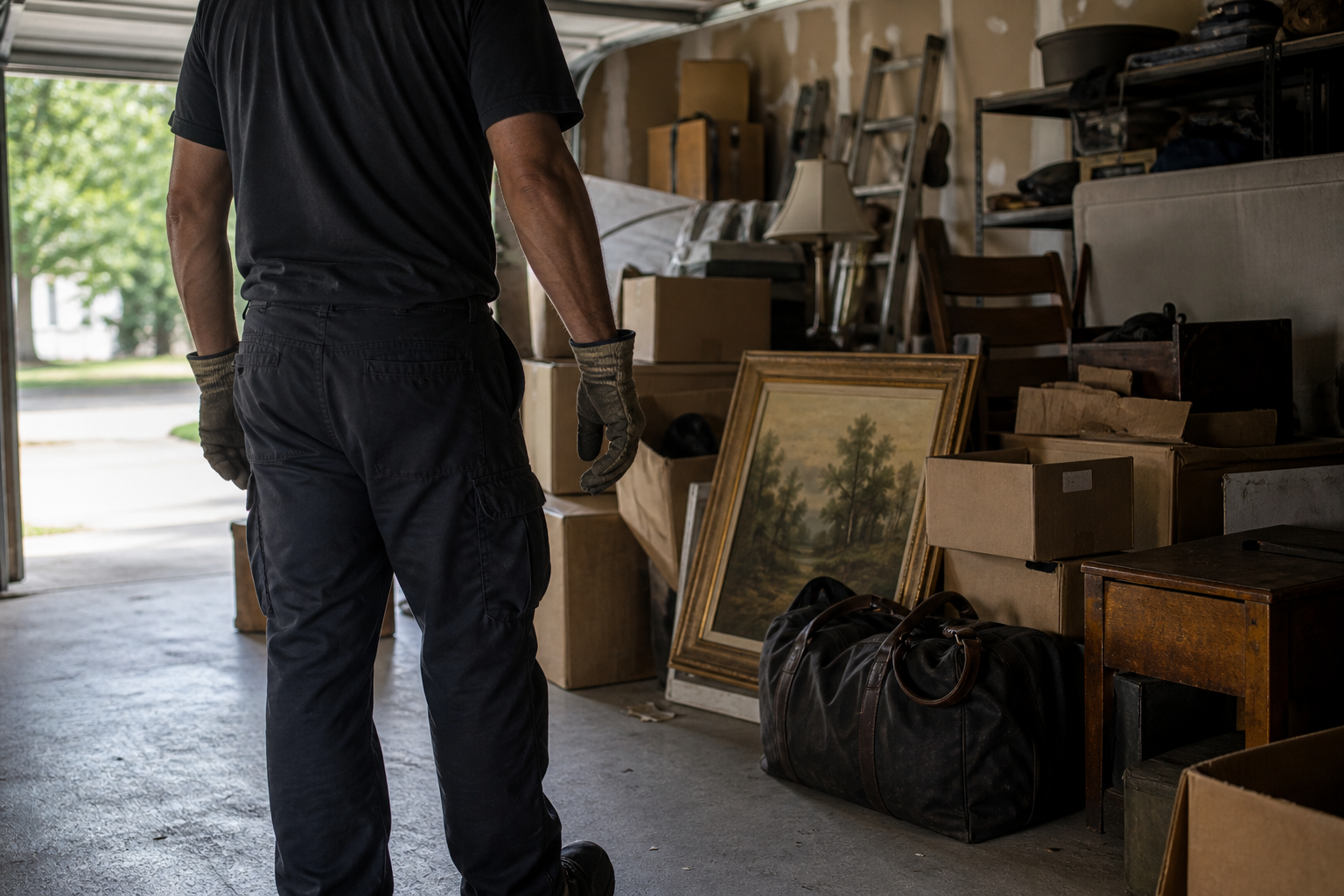
Why Junk Removal Makes the Perfect Job for an Amateur Sleuth
Discarded objects, private spaces, and overlooked clues give Graham Hall an unusual investigative edge.
Detectives are trained to look for evidence. Junk removal workers are trained to look at everything else—and decide whether it really is junk.
That makes junk removal a surprisingly good occupation for an amateur sleuth.
Graham Hall, the central character in my Bleeding Hearts Valley thrillers, does not carry a badge. He clears out the things people have abandoned, accumulated, hidden, or left behind. It is physical work, but it also demands observation, judgment, and a willingness to enter spaces that tell stories about the people who once lived or worked there.
In An Abrupt Departure, Graham’s work gives him an unusual view of Bleeding Hearts Valley. In Strike Bag, that same habit of noticing what other people dismiss draws him into another dangerous mystery.
A job built around other people’s stories
A cleared house is never just a collection of objects. It may contain the remains of a marriage, a business, a hobby, an illness, or an entire lifetime.
Most of those things have no connection to a crime. But they still carry information. A room that has been carefully emptied except for one object feels different from a room abandoned in a hurry. A box of ordinary household papers may reveal more about a person than something obviously valuable. Even the way objects have been sorted—or not sorted—can suggest what happened before the junk removal crew arrived.
Graham is accustomed to walking into the aftermath and asking practical questions. What needs to be hauled away? What might be valuable? What should not be touched? What does not belong?
Those are also useful questions for a crime-solver.
He knows the difference between worthless and overlooked
One person’s rubbish can be another person’s treasure, evidence, or carefully concealed secret.
A good junk removal worker cannot assume that everything in a discard pile is interchangeable. Furniture, documents, collectibles, tools, electronics, and personal effects all need different handling. Experience teaches someone like Graham to recognize when an object is out of place, when a pile has been disturbed, or when something may be worth a second look.
That does not make him a forensic expert. It gives him a different kind of expertise: he knows what people throw away and what they try not to.
He goes where official investigators may not
Amateur sleuths need a believable reason to encounter mysteries. A junk removal business provides one without turning its owner into a substitute police officer.
Graham may be called to houses, storage spaces, abandoned properties, businesses, or the sites of hurried moves. He meets clients during stressful transitions, when families and neighbours may disagree about what happened and what should be done next. He sees the spaces behind the tidy public face of a community.
In a place like Bleeding Hearts Valley, where appearances matter and old secrets have a way of resurfacing, that access can be dangerous.
The work rewards observation, patience, and discretion

Junk removal is not simply a matter of lifting heavy objects. Workers need to assess a job, plan the safest way through it, separate materials, deal with hazards, and respect the privacy of the client.
Those habits transfer naturally to amateur investigation. Graham notices details. He understands that people can be embarrassed or protective about what is being removed. He also knows that asking a direct question at the wrong moment can close a door.
His methods are not always gentle. Graham has a troubled past and questionable morals of his own, and he is willing to put pressure on people he believes are bad actors. That makes him an uneasy fit with official law enforcement—and an interesting person to follow into a mystery.
Discarded objects make excellent clues
Mysteries often turn on the distinction between what is important and what only looks important. Junk removal makes that distinction part of the character’s everyday life.
A clue does not have to be a bloodstained weapon. It might be a missing item, an object in the wrong box, a receipt, a damaged lock, or something too valuable to have been discarded accidentally. It might matter because of what it is—or because of who wanted it gone.
Graham’s job puts him close to such objects, but it does not hand him easy answers. He still has to decide whether he is looking at evidence, coincidence, or somebody else’s private mess.
An outsider with a reason to get involved
The best amateur sleuths usually occupy two worlds. They are part of the community, but not part of its official systems. That lets them hear what people will not tell the police and notice what professionals may reasonably overlook.
Graham is not a conventional hero. His work is practical, messy, and largely invisible until someone needs it done. But it gives him a close look at the possessions people leave behind—and at the stories they would rather bury.
That is exactly where a good mystery begins.
Where to meet Graham Hall
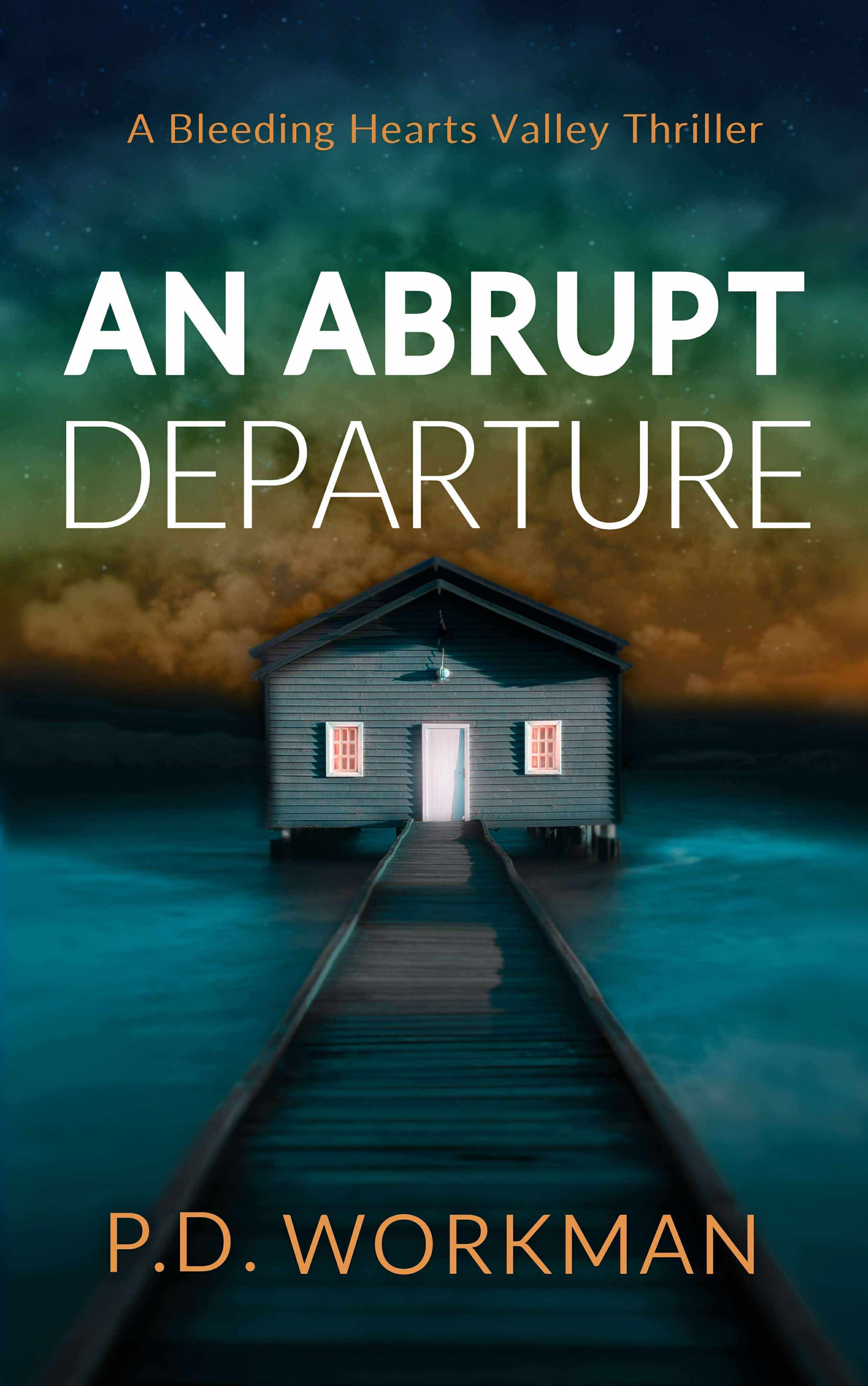
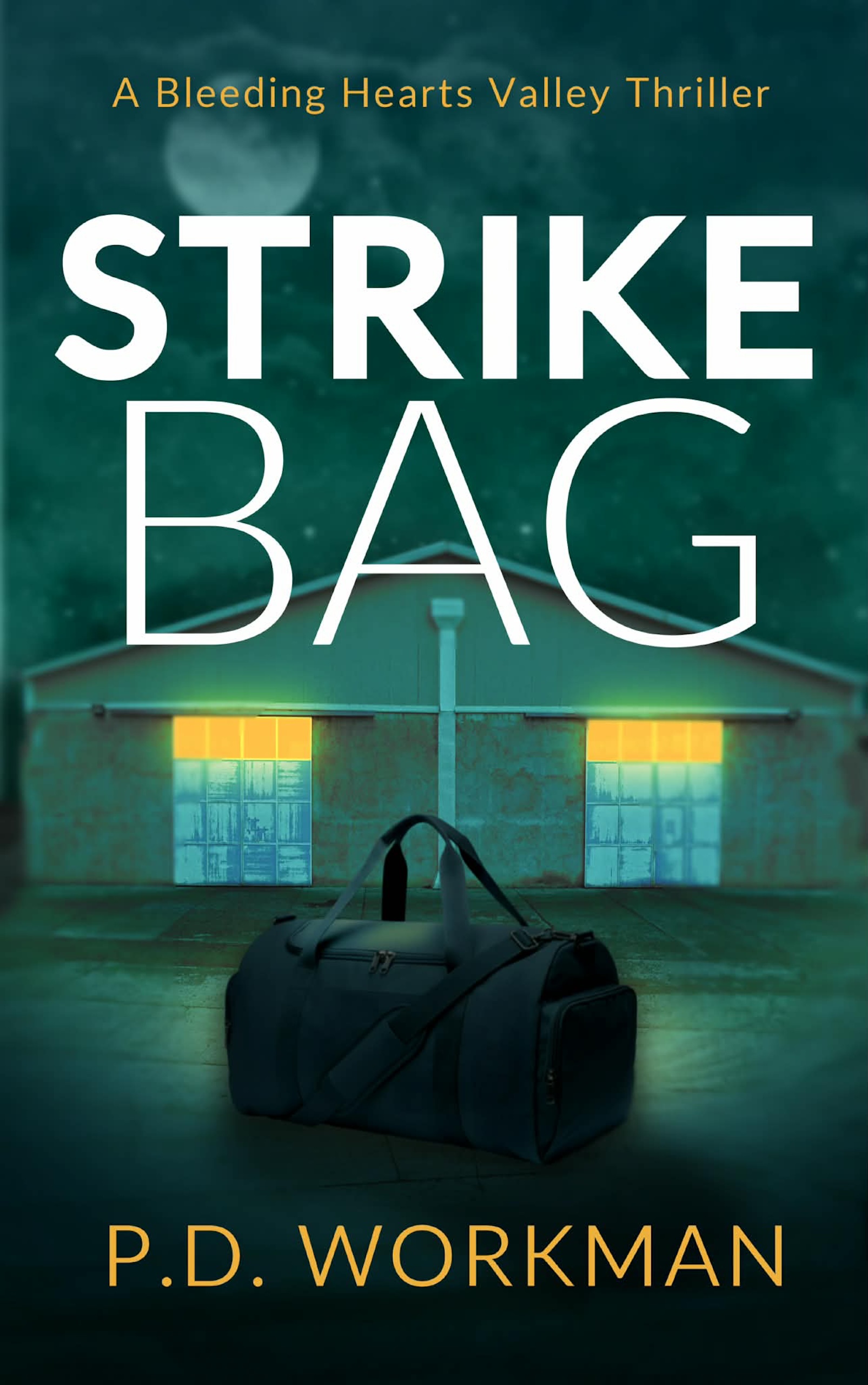
Start with An Abrupt Departure, the first Bleeding Hearts Valley thriller, then continue with Strike Bag.
You can also explore the Bleeding Hearts Valley series and discover more mysteries hiding beneath the neighbourhood’s carefully maintained surface.
Frequently asked questions
Is Graham Hall a private investigator?
No. Graham owns a junk removal business. His work brings him into contact with people, properties, and discarded possessions that sometimes connect him to a mystery.
Is Bleeding Hearts Valley a cozy mystery series?
No. The books are psychological thrillers with amateur investigation, morally complicated characters, and darker stakes.
In what order should I read the books?
The books in the Bleeding Hearts Valley series can be read in any order. If you want to follow Graham Hall’s journey chronologically, begin with An Abrupt Departure, followed by Strike Bag.