


What is Kabedon? — kabe-don, “pin to the wall” & “hand against wall” pose explained
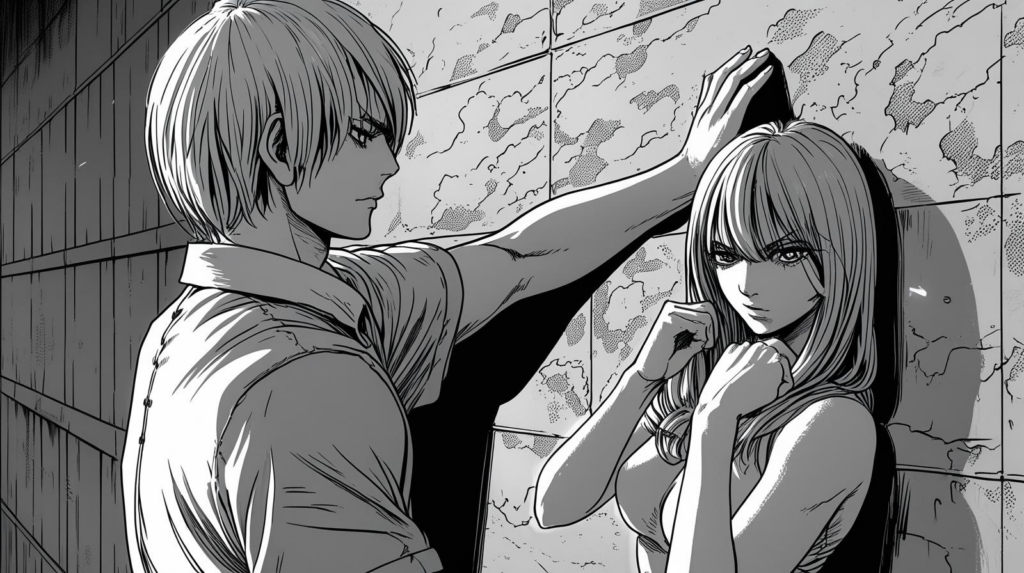
This week, in one of my writing groups, the subject of Kabedon came up. Kabedon (sometimes written kabe-don or kabedoned) is a trope popularized by Japanese manga and anime: one person slaps a hand on the wall beside another person, effectively pinning them to the wall by proximity. Think of it as the classic hand against wall pose—a dramatic move intended to create intensity or sexual tension.
This video was posted in the group discussion:
My take on kabedon
One of the comments I made on the thread in my writing group about the video was: “I don’t understand the women saying it didn’t make them uncomfortable when their body language said it absolutely did. Those wide grins, embarrassed laughs, and turning away or hiding faces aren’t flirtatious, they are nervousness and anxiety.”
Of course, dominance moves like this have been around for years. They remind me of Fonzie’s pick-up moves on Happy Days. While we always thought Fonz was the coolest, I wince when I watch Happy Days now—treating women like objects, showing them no respect, no concept of “consent.” It isn’t the 1950s anymore, or even the 1970s. Our expectations are a lot different than they used to be.
The consensus in my group was that Kabedon is okay if you are in love with the guy, but creepy if you aren’t.
I happen to disagree. I think it’s creepy behavior no matter how well you like the guy. I do not want to be trapped and have someone aggressively pushing into my personal space even when courting/flirting.
What a kabedon looks like
In visual media you’ll often see the man press his hand to the wall beside the other person (one hand, or both) and lean in close to speak. Search terms people use for this gesture include pin to the wall, hand against wall, and hand against wall pose. The move is cinematic, but its effect depends entirely on consent and context.
Why kabedon can feel uncomfortable
That forced proximity removes a person’s easy ability to move away—body language like nervous smiles, turned faces, or rigid posture often signal discomfort even when characters (or viewers) label it “romantic.” In real life, a hand against wall pose can cross the line into coercion; consent must be explicit and freely given.
Kabedon in fiction — how I would handle it
I don’t glamorize moves that take away agency. If you see a kabedon scene in one of my books, it will be written from the recipient’s experience — and that means the scene will reflect whether it felt frightening, invasive, or unwanted.
Further reading on related topics

Healthy Relationships
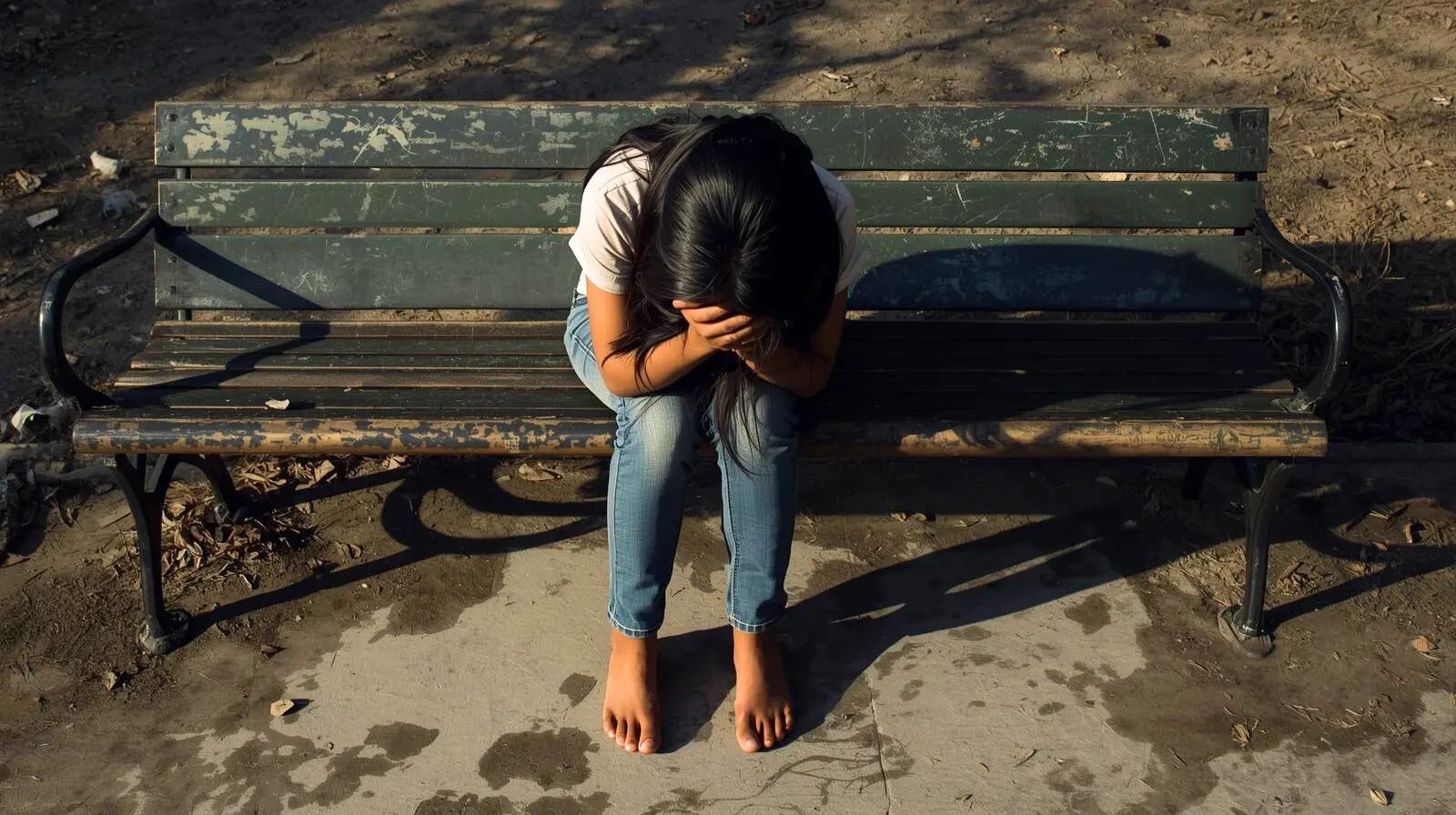
Teen Dating Violence Awareness
Reading List
Young Adult Fiction About Sexual Abuse
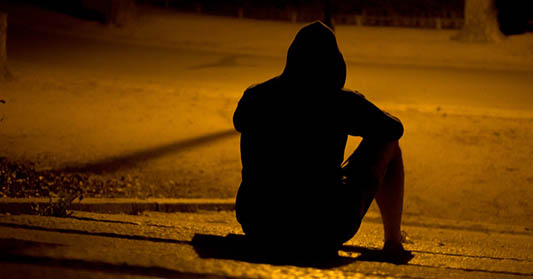
Fiction about Sexual Abuse of Boys/Men
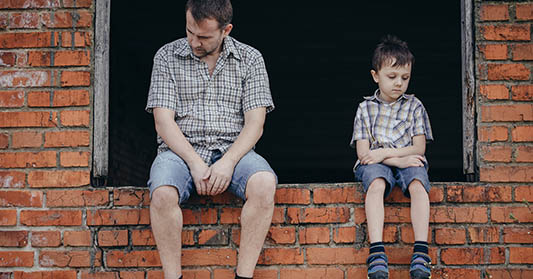
Books for PTSD Awareness Day
Frequently asked questions
Is kabedon romantic or abusive?
It can be written as romantic in fiction, but in real life the hand against wall pose removes consent by limiting escape; context and consent decide whether it’s romantic or abusive.
What does ‘kabedoned’ mean?
‘Kabedoned’ is a casual past tense people use online to describe having experienced a kabe-don: the person was pinned to the wall or put into the hand against wall pose.
How should authors handle kabedon scenes?
Show the recipient’s reaction. If you want the move to feel consensual, make consent explicit. If you’re showing coercion, make the emotional and physical consequences clear.
Search tips: what to type if I’m looking for kabedon scenes?
Try keywords like “kabedon”, “pin to the wall”, “hand against wall”, or “hand against wall pose” — but be mindful: many posts will debate whether the move is flattering or invasive.



I don’t like it either. I can think of several counter moves that I don’t think he would like. #1 my knee would move to his crotch real fast.
Ugh! That’s a no from me. It’s definitely aggressive, and it gives the impression of the woman being trapped. Maybe they need to use that move when teaching self defense classes. Haha. Then the Japanese women can start a new trend.