


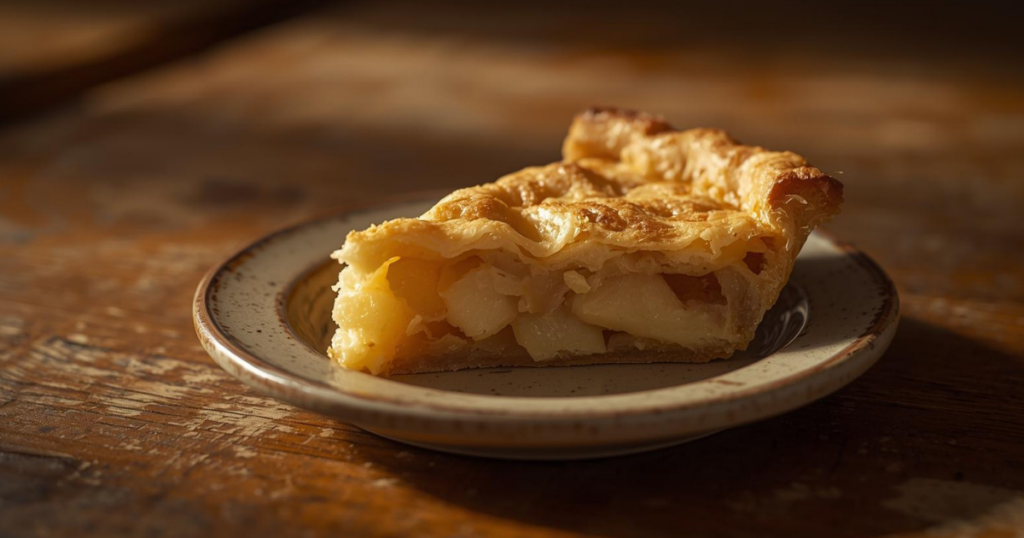
Smell, Taste, and Truth
Sensory Clues in Auntie Clem’s Bakery
The Power of Sensory Detail in Cozy Mysteries
In the Auntie Clem’s Bakery series, sensory detail is more than just atmosphere—it is a legitimate investigative tool. For Erin Price, a baker whose expertise relies on the “science” of gluten-free chemistry, a heightened sense of smell and taste may provide the first clue that something is wrong.
This “superpower” dates back to her childhood, where she would impress the ladies in her Aunt Clementine’s tea room by identifying complex herbal blends by scent alone.
Case Study: Scent and Early Detection
In a culinary cozy, the kitchen acts as a laboratory where subtle sensory differences indicate danger. Erin’s experience allows her to act as a “credible detector” long before traditional investigators realize a crime has occurred.
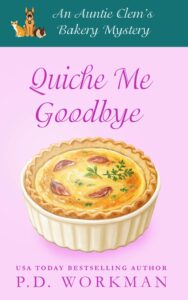
- Detection Before Sight: In Quiche Me Goodbye, Erin identifies a body inside a shipping container at the festival grounds using her “sensitive nose” before the heavy doors are even unbolted.
- Early Warnings: In Chocolate Eclairvoyant, she detects the ozone smell of a rigged microphone at a town hall meeting, recognizing the “hot” scent of malfunctioning wiring just in time to shout a warning.
- Detecting the “Odorless”: Even when a substance is supposedly undetectable, Erin’s nose finds a way. In Muffin to Hide, she saves herself from being poisoned by noticing a strange, faint chemical scent in a dessert that contained tetrahydrozoline (eye drops)—an ingredient scientists claim is odorless.
Kitchen Chemistry: How Baking Knowledge Translates to Clues
A baker’s understanding of ingredient behavior and botanical properties provides practical tools for solving mysteries. In Bald Eagle Falls, an inconsistency in flavor or aroma is often a sign of sabotage or tampering.
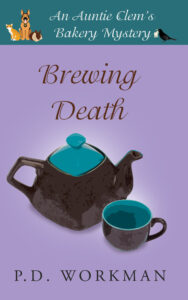
- The Scent of Botanical Poison: In Brewing Death, Erin realizes a neighbor has been poisoned when she identifies the tea they are drinking. While comfrey (boneknit) should smell fresh and aromatic like “sliced cucumbers,” the contaminated batch has a sharp, bitter, and unpleasant undertone—the signature of foxglove.
- Identifying Substitutions: Allergen-free baking requires a deep knowledge of “ingredients within ingredients,” such as the ingredients in the chocolate chips or soy milk used in a recipe. In Dairy-Free Death, Erin recognizes that a “vegan” label isn’t just a dietary choice but can be used as a cover to hide specific allergens like soy, which the killer used to trigger a fatal reaction in Trenton Plaint.
Identifying “Ingredients within Ingredients”
Small, believable clues—often the logical extensions of a baker’s craft—provide the leads that move the plot forward.

- The Tomato-Nightshade Link: In Brewing Death, Erin describes a “slightly off taste” in a jar of Jam Lady strawberry jam. She identifies a sweet yet savory flavor similar to tomatoes, which Terry Piper later confirms is the taste of deadly nightshade (belladonna), a plant in the same family as the tomato.
- Chemical Fingerprints: In Cinn-Full Secrets, Erin detects the smell of butyric acid on a victim. While a normal person might mistake it for the smell of Parmesan cheese, a baker knows it is also the primary scent of vomit, providing her clue about the victim’s final moments.
Reader FAQs — Sensory Clues & Cozy Tropes
What cozy tropes will I recognize in these stories?
Expect classic cozy comforts: a tight-knit small town, a recurring cast of lovable allies, warm settings (the bakery!), gentle humor, and a puzzle that rewards attention rather than shocks. The books pair those comforts with deeper emotional threads so the heart of the story feels real.
How do sensory clues make solving the mystery satisfying?
Sensory clues—off aromas, odd flavors, subtle textures—give the protagonist early, believable leads. They invite you to play detective: notice the same odd note Erin does and see if you can piece the puzzle together before the reveal.
Are scenes with poisoning or illness handled in a cozy way?
Yes. Dangerous elements are described in a restrained, non-graphic way that keeps the tone cozy. When a scene could be upsetting, the book often includes a brief content note so you can decide whether to continue.
Will I get enough clues to solve the case along with the sleuth?
Absolutely. Clues are layered across scenes—sensory details, provenance (family marks, stationery), town gossip, and routine-based alibis—so attentive readers can put together the answer and enjoy the “aha” moments.
What unique, cozy-friendly investigative methods appear?
Look for culinary forensics (ingredient swaps, odd tastes), botanical scent recognition, local provenance (coats of arms, stationery watermarks), the mailman’s observational notes, and archival sleuthing from the retired librarian—all grounded in everyday small-town life.