



Beyond the Recipes
Cozy Mysteries that Include Trauma, Identity, and Youth Vulnerability
Why cozy mysteries can carry emotional depth
Cozy mysteries are often thought of as gentle, reassuring page-turners. But who says they can’t also explore real, gritty, sometimes difficult human experience. When done right, a cozy mystery invites readers into community while asking them to witness hardship with empathy. The small town or community is a microcosm of the big world outside and reflects the dangers and grief that exist there.
Cozy readers come for predictable pleasures — likable protagonists, satisfying puzzles, community, and a comforting setting — but they stay when characters are allowed to live full lives, experiencing grief, anxiety, loss, and identity struggles. How can these two divergent themes be present in one story?
Mental health and trauma in Auntie Clem’s Bakery

Portraying trauma responsibly means avoiding sensationalism and prioritizing emotional truth over dramatic shock. In the Auntie Clem’s Bakery series, Erin Price experiences PTSD and recurring nightmares as ongoing challenges rather than plot devices that exist only to raise stakes and then disappear after one book. PTSD doesn’t go away overnight. Showing how trauma affects daily routines, relationships, and work (and how small supports help) builds authenticity.
Concrete, lived-in details — a particular trigger, a grounding routine, a scene where a friend checks in — convey realism without needing graphic recounting of past events. Short, quiet moments of coping can be as powerful as dramatic confrontations.
Gender identity and community reactions in small towns
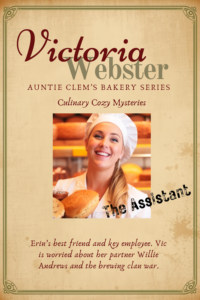
Small-town settings can amplify social pressures. Vic’s arc as a transgender woman navigating judgment and familial rejection centers identity without reducing her to it. She is a whole person, well-rounded and developed, not just a character foil, trope, or cause.
Again, showing day-to-day interactions — both supportive and the hostility she encounters from strangers and family members — humanizes Vic and gives readers a lens into the slow work of acceptance. It takes a long time for people to change their minds. While Jeremy is able to accept Vic as she is, other members of the family are not so easy.
Youth vulnerability and exploitation
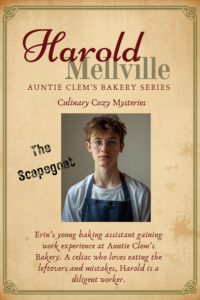
Stories that involve young people in risky situations require particular care. With Harold Melville, the focus is on the systems that enable his grooming by the Dyson crime syndicate — parental indoctrination, limiting his opportunities, adults who don’t see the human cost of their actions — rather than details.
Highlighting Erin’s support and Harold’s agency helps prevent sensationalism. We see her allowing him to make his own choices and trying to facilitate communication and change, rather than forcing change or “saving” him.
Crafting resilient protagonists who grow, not “fix”
Readers respond to characters who evolve without being “fixed.” Show practical steps toward healing: therapy or support groups, trusted friends, small victories, and yes, setbacks. Physical and mental challenges don’t just disappear. Friendship and relationships are not built in a day.
A long series like Auntie Clem’s Bakery gives readers the opportunity to see growth over time and to fall in love with characters over and over again.
FAQs
Frequently Asked Questions
Can cozy mysteries address serious topics without losing their cozy appeal?
Yes. By focusing on character, community, and small, lived-in details—rather than sensationalism—authors can keep the comforting tone of a cozy while exploring meaningful emotional or social issues.
How do I portray PTSD or trauma responsibly in fiction?
Prioritize emotional truth over graphic detail: show triggers, coping routines, support systems, setbacks, and gradual change. Keep descriptions grounded and avoid using trauma only as a plot device.
What’s the best way to handle gender identity in a small-town setting?
Give characters full lives beyond their identity. Show everyday interactions—supportive and hostile—and let relationships evolve slowly so readers see acceptance as a process, not a single event.
How should authors write about youth vulnerability or exploitation without sensationalizing?
Focus on systems and consequences (family dynamics, community blind spots) and emphasize the young person’s agency, supports, and recovery rather than lurid detail.
How do I show growth without making a character feel “fixed”?
Portray incremental progress: small victories, recurring setbacks, ongoing relationships and supports. Let growth be realistic and episodic across scenes or books rather than an instant cure.