
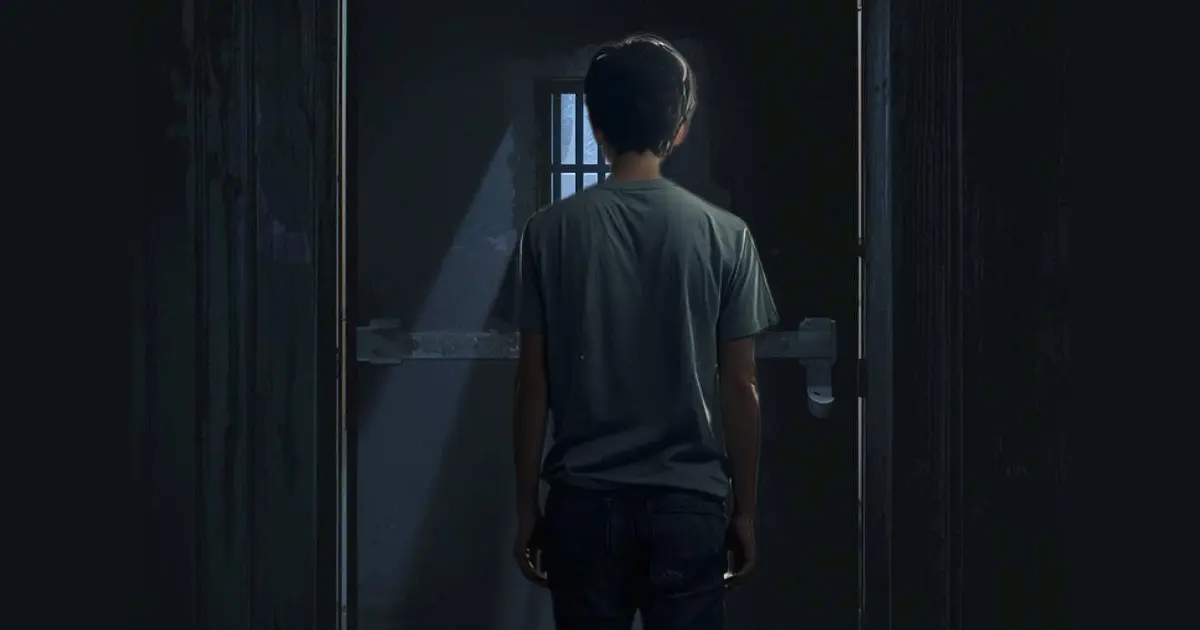
Childhood Institutionalization
The Invisible Scars in Adulthood
For Private Investigator Zachary Goldman, the past isn’t just a memory. It’s something that lives in his body. He still gets that crawling-under-the-skin feeling when he has to stand still. To survive, he paces. That isn’t a random quirk, it’s a reminder of growing up in places like Bonnie Brown, where “care” might mean erasing who a kid actually was.
Even as an adult trying to pass as normal, Zachary carries a dark cloud at the edge of his vision. Others who were institutionalized as kids carry similar scars. These places are supposed to “fix” problem behaviors, but too often they break people to do so.
Once a troublemaker, always a troublemaker

Kids are put into categories: disruptive, troublemaker, lazy. Those labels don’t stay in the building — they become part of how that kid sees themselves as an adult. Zachary shame at being labeled incorrigible by his own mother doesn’t go away.
Invisible scars remain: a person who’s been taught they’re “broken” and who believes he doesn’t belong in or deserve a real family. The trauma doesn’t go away.
“I just couldn’t help wondering… how my mother felt when she told the social worker to put me away… what Mira said she felt… was relief.” — Zachary Goldman (His Hands were Quiet)
Passing for normal steals your real self
Some institutions or treatment programs prioritize appearances—making a child look like their peers in everything from speech, to mannerisms, to hair and clothing—over teaching them real ways to communicate and connect. It’s easier for donors and visitors if a kid can say “hello” on cue, so staff pushes scripted speech over tools that could actually help, like PECS (the Picture Exchange Communication System).
That trade-off matters. If a child learns to mimic greetings without ever learning how to express their true feelings, wants, or needs they grow up able to mask and fake neurotypical patterns, without real tools for connection. They look fine on the surface, but underneath it all, they have no way to say what they actually need to.
“Do you have any idea what it feels like to be punished for who you are? For the way your brain was formed?” — Margaret Beacher (His Hands were Quiet)
“Therapy” can look a lot like training

Some facilities use techniques that feel less like treatment and more like training an animal. In the fictional Summit Learning Center, which reflects certain real-life programs, the children are dehumanized—forced to wear heavy backpacks with electrodes. The aides carry remotes on their belts. In chilling efficiency, these remotes feature the pictures of the children they are assigned to, ensuring the aide shocks the right target with a single click.
This philosophy treats a child’s pain as a teaching tool. It is a “broken” model that views children as animals to be tamed through fear. When the “quiet hands” are finally still, it isn’t because the child is calm; it’s because they are living in a state of hyper-vigilant terror.
“It is as if he appreciates you more, once you have shown him that you also can be angry with him.” — Teaching Developmentally Disabled Children: The ME Book, Ivar Lovaas, 1981.
The “medication holiday” ruins trust

A common practice is to take kids off meds to find their “baseline.” This results in “med rebound,” a sensory nightmare that Zachary Goldman describes as a feeling of “smothering,” as if he couldn’t get enough oxygen. Then the institution blames the child for the outburst and punishes them for the very reaction the doctors caused.
Adults who went through this remember what it’s like to be stripped of the chemical supports that made life manageable and then punished for the biological chaos that followed. It creates an adult who views their own biology as a weapon used against them. They live in constant hyper-vigilance, unable to trust medical authority or their own internal stability
Food, rewards — and abuse — all mixed together
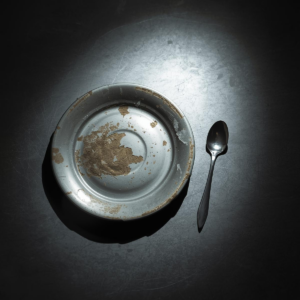
CBT uses rewards and punishments to control kids. One of the most twisted examples in the Summit Learning Center is the “Contingent Food Program;” basic nutrition used as leverage. If a child misbehaves, they are denied a proper meal and instead forced to eat “Loss of Privilege Food”—a lumpy, cold paste of ground meat, potato flakes, and liver powder.hey get denied a normal meal and handed a gritty, unappealing mash instead.
That creates a warped kind of attachment: the same hands that hurt you are also the hands that give you the small pleasures you crave. Kids learn to cling to and defend their abusers because those people are, paradoxically, the source of whatever comfort is left. That confusion about love and harm becomes a lasting map for relationships.
“Food is the only pleasure some of these kids get. To use it against them is… inhumane.” — Nancy Whitmore, (His Hands were Quiet)
The quiet that follows
As a survivor of institutional abuse, Zachary finds himself pacing a room as a way to calm his nervous system. He is the survivor of a system that cared more about “fixing” behavior than healing a traumatized child. Scars fade and bruises heal, but the damage remains —the scripted smiles, the mistrust of authority, the blurred sense of self.
Making neurodivergent or traumatized children “indistinguishable from normal” isn’t a cure. It’s stealing their souls, their very sense of self, and the consequences are not insignificant.